Science & Technology
Reading: Artificial Intelligence
Before you read:
- What is Artificial Intelligence?
- How do you use AI in your daily life?

The Rise of AI
Artificial Intelligence (AI) is a branch of computer science dedicated to creating machines capable of performing tasks that normally require human intelligence. This includes learning, reasoning, problem-solving, and understanding language.
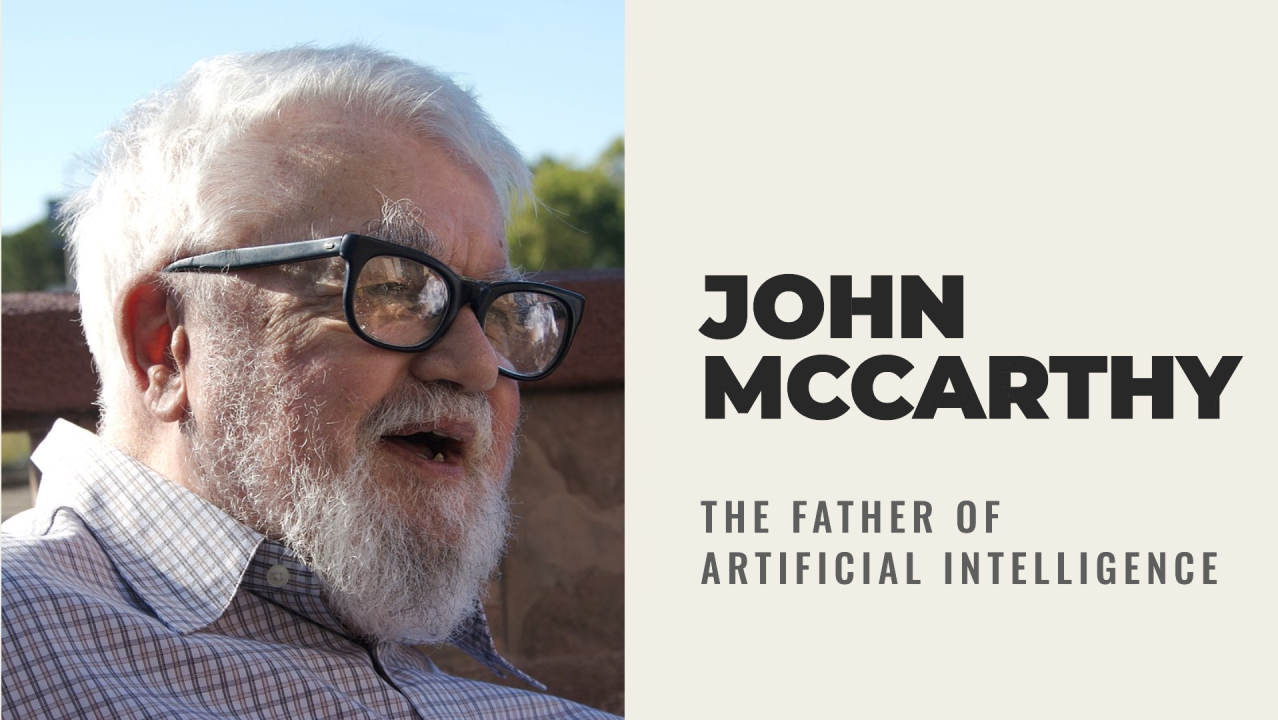
The term "Artificial Intelligence" was first coined by computer scientist John McCarthy in 1956 at the Dartmouth Conference. Early AI research focused on problem-solving and symbolic methods, but today, modern AI is driven by huge amounts of data and powerful computer processors.
Today, AI is everywhere. It powers the virtual assistants in our smartphones, like Siri and Google Assistant. It allows streaming services to recommend movies you might like. In healthcare, AI helps doctors analyze medical images to detect diseases earlier than ever before. It is also the technology behind self-driving cars.
However, AI also brings new challenges. Many people worry about the loss of jobs as robots become smarter, as well as the ethical issues of machines making decisions. The future of AI will depend on how humans choose to use this incredible technology.
Comprehension Check

a) Write T (true) or F (false).
1. John McCarthy invented the first self-driving car.
2. The term "Artificial Intelligence" was created in 1956.
3. AI is only used for playing video games.
b) Answer the questions based on the text:
Vocabulary Match

c) Match the AI terms with their definitions.
- a. A type of AI that allows systems to learn from past experiences without being explicitly programmed.
- b. An AI program that understands voice commands (like Siri or Alexa).
- c. A set of rules or mathematical instructions for a computer to follow.
- d. Information collected for reference, analysis, or to train a computer.